Roofing
Clay and concrete tile, with the structural review done first.
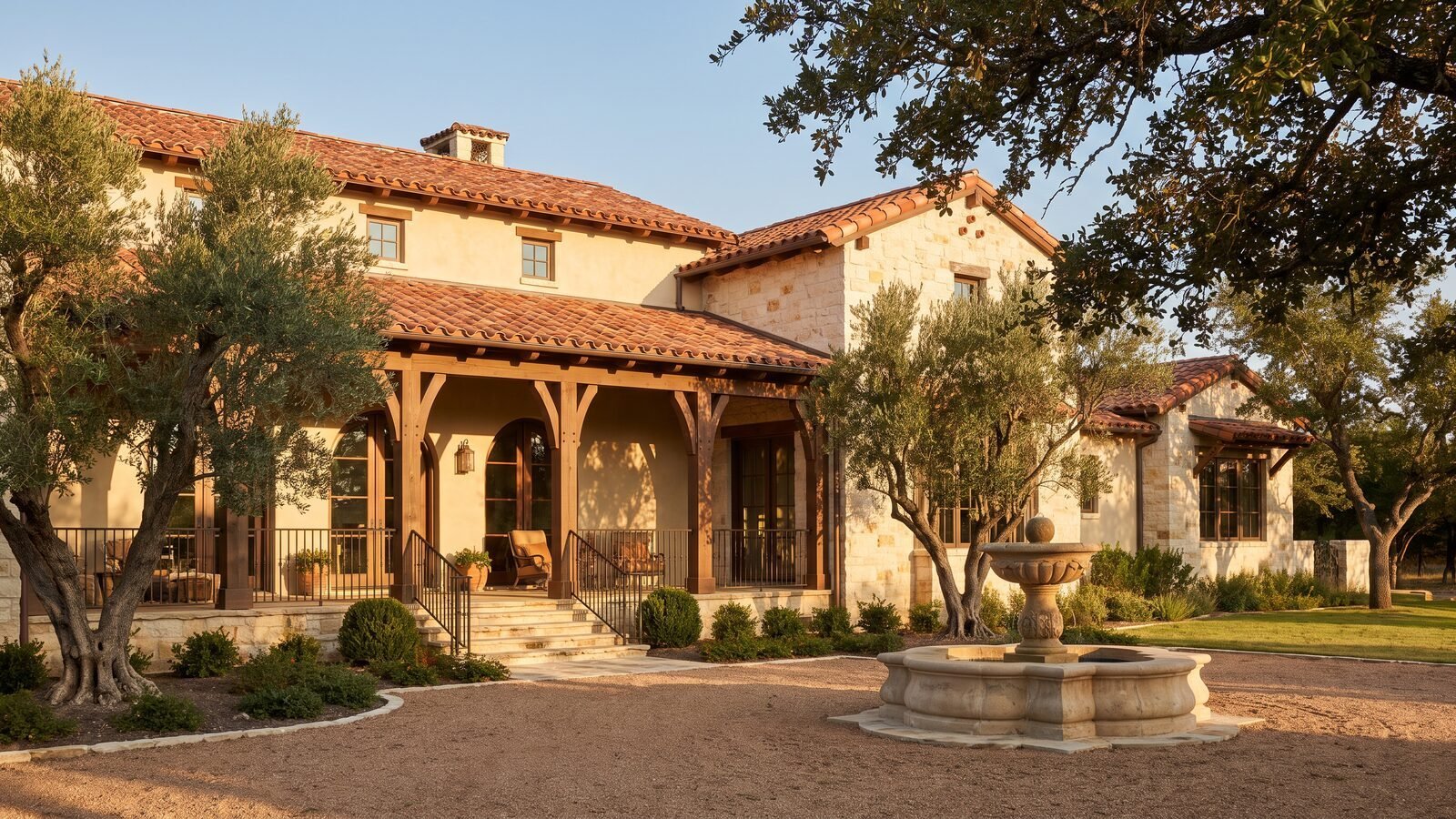
Barrel tile is the longest-lived roof covering we install and the heaviest thing you can put on a house. Every tile quote we write starts with dead-load math, because a 900-pound-per-square system on a frame designed for 250 is not a roofing decision — it is a structural one.
50+Year tile service life
600–1,100Lbs per square
20–30Year underlayment life
100%Structural review first
Can my house support a tile roof?
Only if it was framed for it or is reinforced to carry it. Clay and concrete barrel tile weigh roughly 600 to 1,100 pounds per roofing square versus about 250 for architectural asphalt — a three-to-four-fold increase in dead load. On a home originally framed for shingle, that requires a structural evaluation and often rafter, purlin, or bearing-point reinforcement. We include that review in every tile proposal rather than discovering it mid-tear-off.
The tile lasts. The underlayment is what fails.
This is the single most misunderstood thing about tile roofs, and it is the reason people are surprised by a tile re-roof bid.
The tile itself is effectively permanent — 50 to 100 years, and broken pieces are individually replaceable. The waterproofing layer underneath it is not. The underlayment carries the actual water management job and has a service life closer to 20 to 30 years in this climate.
So a tile "re-roof" is usually a lift-and-relay: the existing tile is carefully removed and stacked, the underlayment and flashing are fully replaced, and the original tile goes back down with breakage replaced from matched stock. It is labor-intensive and it is the correct scope. A crew that offers to seal or coat your way out of a failed underlayment is selling you two more years.
Where tile makes sense in the Hill Country
Tile suits the regional architecture — it reads correctly against limestone and stucco elevations, and thermally it performs well: the barrel profile creates its own ventilated air space above the deck, which moderates heat gain the same way a batten-mounted metal roof does.
The honest caution is hail. Concrete and clay tile are brittle. Large stones crack individual tiles, and while that is a repairable, spot-replaceable failure rather than a whole-roof loss, you should expect to replace tiles after significant hail events and you should keep attic stock on site for that purpose. We leave you a labeled pallet of matched tile at completion.
Specification
| Item | What we install |
|---|---|
| Tile | Clay or concrete barrel / S-profile, matched to existing |
| Structural | Load evaluation before contract; reinforcement scoped if required |
| Underlayment | Two-ply or high-temp self-adhered, full deck |
| Battens | Elevated batten system for drainage and airflow |
| Flashing | Valley, headwall, and penetration metal fully replaced |
| Attic stock | Matched replacement tile left on site for future hail repairs |
Get My Instant Satellite Quote
Real satellite measurement of your roof — a price band in about two minutes, no sales visit required.
Locating your parcel…
Measuring from public satellite recordsBid comparison
Where the cheap bid is actually cheaper.
Two proposals for the same job usually differ on these lines, not on brand. Ask any bidder to put their answer in writing.
| Common low-bid approach | The A1 specification |
|---|---|
| Coat or seal a failed underlayment | Lift, relay, full underlayment replacement |
| No structural review | Dead-load evaluation before contract |
| Tile set directly on deck | Elevated batten system for drainage and airflow |
| No matched attic stock | Labeled replacement pallet left on site |
Tile Roofing questions
Answered plainly.
Is tile more expensive than metal?
They overlap. We model clay and concrete tile at roughly $12–$20 per square foot of roof surface and standing seam at $14–$21. Tile can come in lower on material and higher on labor, and if structural reinforcement is required that cost sits on top of the roofing scope.
My tile roof is leaking but the tiles look fine. Why?
Because the tile is not the waterproofing. The underlayment beneath it is, and it has a 20-to-30-year life in this climate. Intact tile over failed underlayment is the most common tile leak we are called out for, and the fix is a lift-and-relay, not a patch.
Will hail destroy a tile roof?
Large hail cracks individual tiles. That is a spot repair, not a total loss — which is why we leave matched attic stock at completion. Document any hail event with photos and have the field walked; cracked tiles that go unreplaced become underlayment exposure.