Home Systems
Seam-clamped solar with zero roof penetrations.
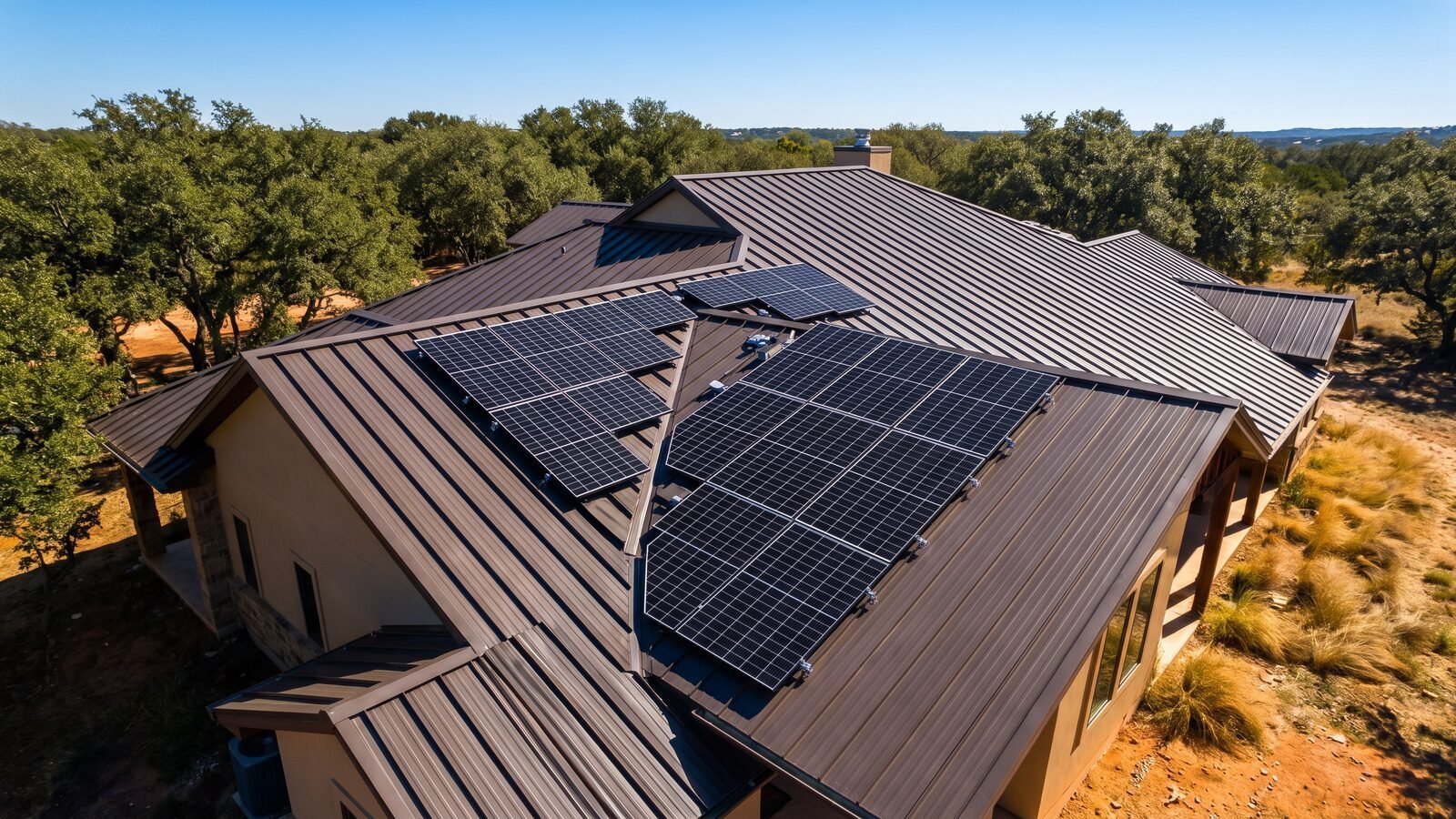
The failure mode of residential solar is not the panels — it is the several hundred holes drilled through a working roof to hold them. On standing seam we clamp to the seam and drill nothing. On shingle, we align array life to roof life so you never pay to remove and reinstall.
0Penetrations on standing seam
25–30Year panel warranty
40–70Year metal roof life
1xRemove-and-reinstall avoided
Does installing solar void my roof warranty or cause leaks?
It can, when the array is lag-bolted through the roof plane by an installer who is not a roofer — each penetration is a potential leak and many roofing workmanship warranties are voided by third-party penetrations. On a standing seam metal roof the panels clamp directly to the seam with zero penetrations, which eliminates the failure mode entirely. On shingle, penetrations are unavoidable, so they must be flashed properly — and the array should be installed on a roof young enough to outlive the panels.
Sequence the roof and the array correctly
Panels carry 25-to-30-year production warranties. Asphalt shingle in this climate realistically lasts 20 to 25 years. If you mount an array on a roof with eight years left, you will pay to remove the array, re-roof, and reinstall it — commonly several thousand dollars, and entirely avoidable.
So the order of operations matters more than any equipment decision. If your roof has less than about 15 years of service life left, re-roof first. If you are re-roofing anyway, standing seam plus seam-clamped solar is the pairing that ends the conversation: a 40-to-70-year roof under a 25-year array, with no holes in it.
We are roofers first, which is why we will tell you to re-roof before adding solar even though that is the larger job and the less exciting answer.
Shingle mounting done correctly
Plenty of homes here have a young, sound shingle roof and no reason to replace it. Solar on shingle is fine — the penetrations just have to be treated as roofing work.
That means mounts landed on rafters, not just decking; each penetration flashed with a proper aluminum or lead-free flashing integrated under the shingle course above it, not smeared with sealant on top of it; and the workmanship warranty on the roof preserved because the same company that warranties the roof made the holes.
Sealant-only mounts are the single most common defect we find on existing arrays. Sealant is a maintenance item with a life measured in a few years. Flashing is a permanent detail. Under a 25-year array, the difference is not subtle.
Specification
| Item | What we install |
|---|---|
| Metal mounting | Seam clamps rated to the panel profile — zero penetrations |
| Shingle mounting | Rafter-landed mounts with integrated flashing, no sealant-only |
| Roof review | Remaining service life assessed before array design |
| Wire management | Conduit and runs supported off the roof plane |
| Warranty | Roofing workmanship warranty preserved in writing |
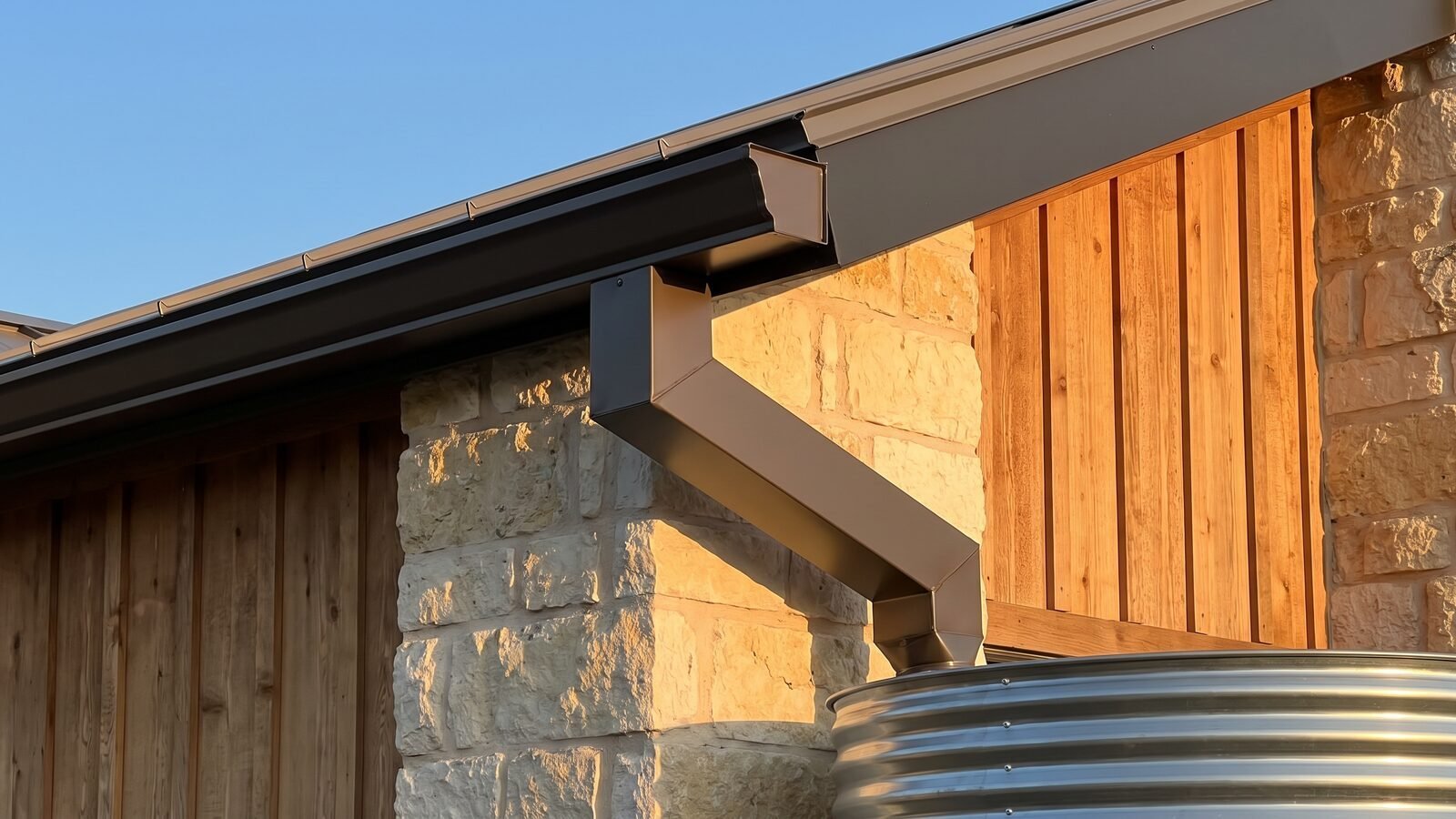
| Catchment | Panel and rack materials verified inert for collected water |
Talk about your solar project
Tell us the property and the scope. We start with site and systems discovery, not a sales pitch.
Bid comparison
Where the cheap bid is actually cheaper.
Two proposals for the same job usually differ on these lines, not on brand. Ask any bidder to put their answer in writing.
| Common low-bid approach | The A1 specification |
|---|---|
| Lag bolts and sealant on a 15-year-old roof | Roof life assessed before design |
| Sealant-only mount waterproofing | Integrated flashing at every penetration |
| Roofing warranty voided by a third party | One company owns roof and array |
| Penetrations on a metal roof | Seam clamps, zero penetrations |
Solar questions
Answered plainly.
Should I re-roof before installing solar?
If your roof has under roughly 15 years of remaining life, yes. Panels last 25–30 years. Mounting them on a roof that will fail first guarantees a remove-and-reinstall bill that typically runs into the thousands, on top of the re-roof.
How do panels attach to standing seam without holes?
Clamps grip the vertical seam itself and the rail system mounts to the clamps. The roof plane is never penetrated. This is the cleanest residential solar mounting method available and it is a specific advantage of standing seam.
Will solar panels protect my roof from hail?
They shade and shield the covered area, and tempered panel glass is itself hail-rated. But the exposed roof around and between arrays takes the same beating, and after a significant hail event the array framing and wiring should be inspected along with the roof.
Also in Home Systems
Related scopes.